EV Bearings: Three Certainties Reshaping the 2026 Market
Low friction becomes a hard requirement, e-drive integration accelerates, and aftermarket demand gets revalued
China exported more than 7 million vehicles in 2025, with EVs the fastest-growing segment. As that volume flows up the supply chain, bearing specifications, certifications and delivery models are being redefined by electrification. Here are three certainties for 2026 — and what they mean for the aftermarket.
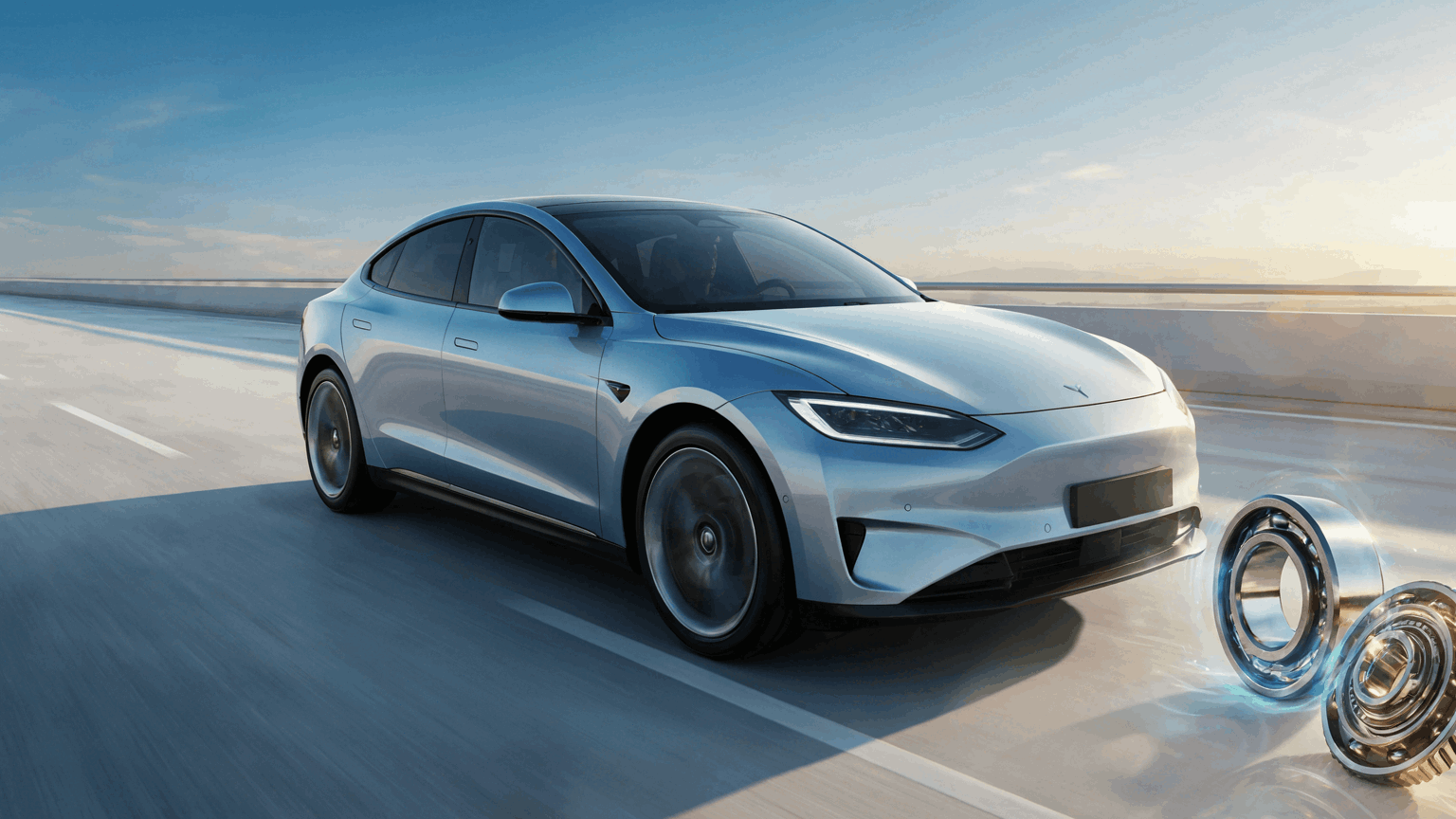
China's customs data shows vehicle exports passing 7 million units for the first time in 2025, with new energy vehicles the fastest-growing slice. That volume is working its way up the supply chain, redefining the specifications, certifications and delivery terms of a component that barely registers in total vehicle cost: the bearing. For aftermarket participants and buyers, three directions for 2026 are already close to certain.
Trend 1: Low friction moves from selling point to hard requirement
On an internal-combustion vehicle, hub bearing friction losses are almost negligible; on an EV, every watt of drag translates directly into range. Industry research puts the global low-friction hub bearing market at roughly USD 860 million in 2026, growing to about USD 1.5 billion by 2036. Tier-1 suppliers such as NSK and JTEKT have both launched low-friction-torque hub unit lines dedicated to battery-electric platforms.
The practical effect on the aftermarket is a change in sourcing language. Where buyers used to ask about durability and price, more inquiries now arrive with friction-torque class and starting-torque test data attached. Manufacturers without end-of-line friction-torque measurement capability will gradually be excluded from this order pool.
Trend 2: E-axles push hub unit integration further
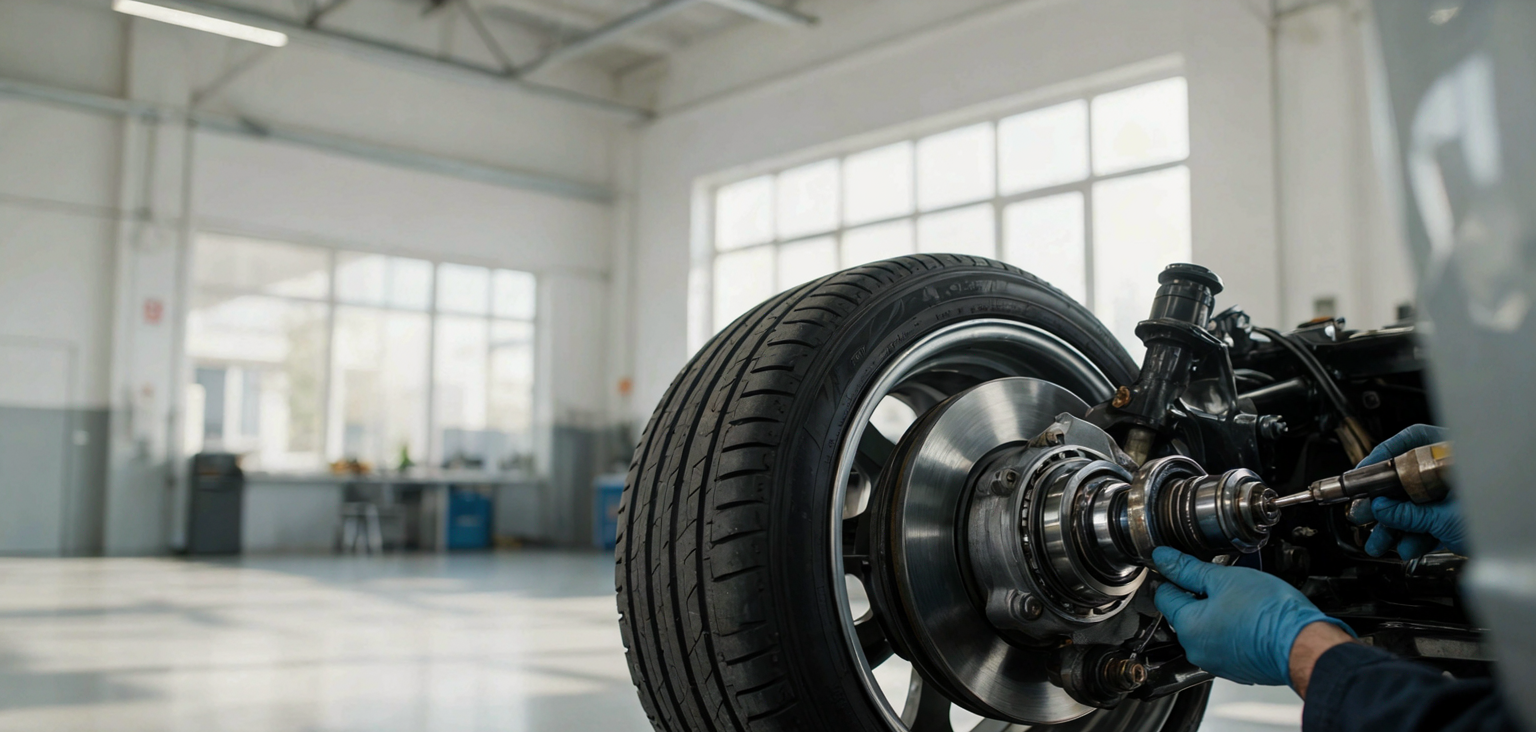
The e-axle packs the motor, reduction gear and differential into a single assembly, and hub bearings are integrating accordingly with flanges and speed sensors. Third-party estimates put the e-axle hub bearing unit market at about USD 410 million in 2026, expanding at over 9% CAGR for the following decade — clearly faster than the conventional hub bearing market.
The other side of integration is a change in repair granularity: a failed sensor no longer means replacing the sensor, but the complete hub unit assembly. That raises the ticket value of each repair, and it demands that aftermarket suppliers map SKUs strictly to vehicle platforms — a wrong encoder pole count or sensor interface triggers a fault code the moment the part is fitted.
Trend 3: Heavier load spectra, longer life requirements
Battery weight makes a same-segment EV 20–30% heavier than its combustion counterpart, raising static and impact loads on hub bearings; regenerative braking adds reversing torque, making load directions more complex than on ICE vehicles. Motor speeds require stability at higher dn values, and inverter switching introduces shaft-current risk — bringing insulated bearings from the industrial-motor world into automotive aftermarket parts lists.
What this means for aftermarket timing
Vehicle sales volume and aftermarket demand are typically separated by a 3–5 year lag. Based on China's NEV sales ramp between 2021 and 2025, 2026–2028 is the window when EV aftermarket bearings reach scale. Distributors and repair chains can prepare in two ways: first, structure EV hub unit SKUs by vehicle platform rather than single OE numbers; second, qualify suppliers with IATF 16949 systems and end-of-line friction-torque and noise-vibration testing capability, to avoid burning reputation on quality issues just as volumes take off.
NTK supplies generations 1–4 hub units, hub shells and matching bearings to the aftermarket, exporting to more than 60 countries and regions, with certification and technical documentation support matched to each customer's target market.