Automotive Bearing Market Trends and Bearing Selection Guide: For New Energy and Traditional Powertrain Platforms
NTK Bearings In-Depth Analysis of Hub Bearings, Ball and Roller Bearings Technical Evolution and Procurement Strategy
Starting from the global automotive bearing market landscape, combined with China's local supply chain advantages, this analysis breaks down the technical evolution and key selection points of hub bearings, ball bearings, and roller bearings for procurement professionals.
Overview of the Global Automotive Bearing Market Landscape
In recent years, the global automotive bearing market has continued to expand. According to forecasts from multiple industry research institutions, by 2034, the global automotive bearing market is expected to exceed USD 28 billion, with a compound annual growth rate (CAGR) maintained at 2.5% to 3.5% from 2026 to 2034. This growth is driven by the recovery in automobile production and sales, accelerated electrification, and aftermarket replacement demand.
From a regional distribution perspective, the Asia-Pacific region has become the world's largest automotive bearing manufacturing and consumer base, with a market share approaching 50%. Leveraging its well-established automotive industry system and NEV production and sales scale, China occupies a core position in the Asia-Pacific market. North America and Europe, on the other hand, rely on mature aftermarket and high-end vehicle platforms to maintain technological advantages in high value-added fields such as sealed hub units and sensor-integrated bearings.
Analysis of Bearing Types and Application Scenarios
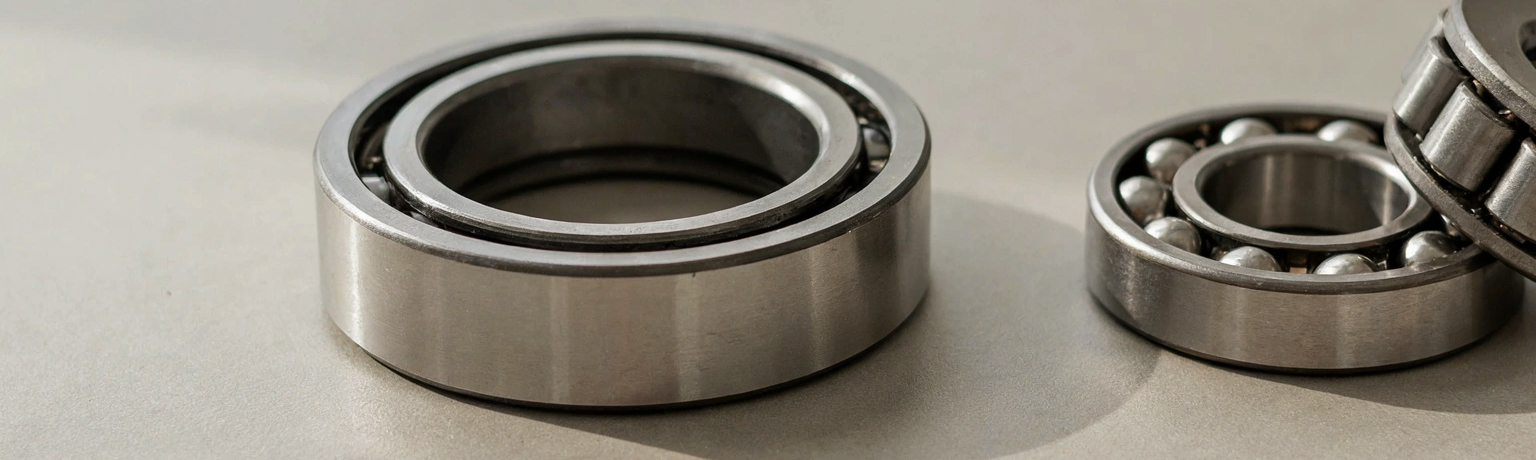
Automotive bearings can be divided into two major categories by structure: ball bearings and roller bearings. Ball bearings excel with low friction coefficient, high rotational speed, and compact structure, and are widely used in wheels, motors, steering systems, and various accessory drives. Roller bearings, on the other hand, serve heavy-duty scenarios such as differentials, transmissions, and commercial vehicle wheel ends, thanks to their superior load capacity and durability.
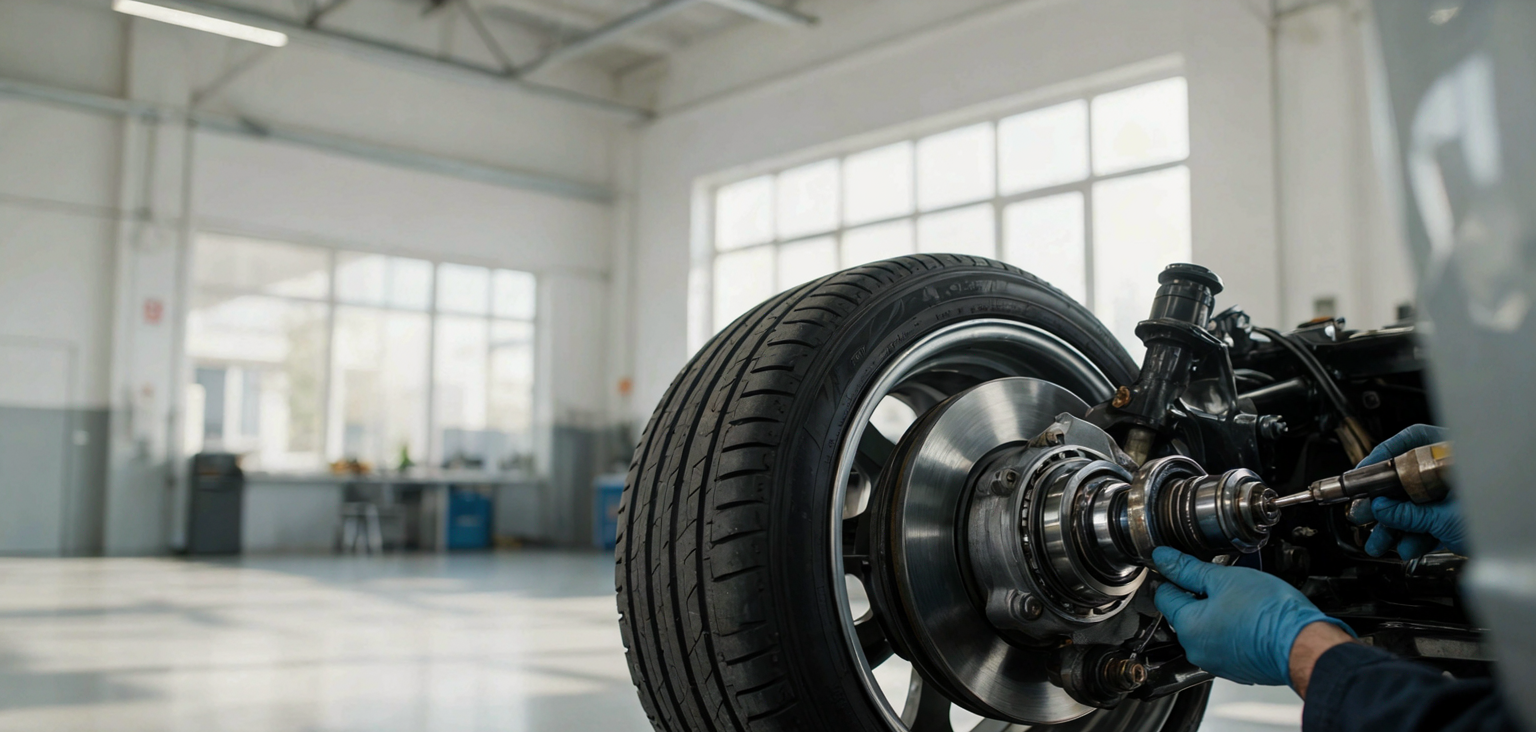
- Hub Bearing Units: Integrating seals, ABS sensor interfaces, and flanges, they are directly related to driving safety and are among the components with the highest replacement frequency in the aftermarket.
- Differential Bearings: Typically using tapered roller or cylindrical roller structures, they withstand combined loads during vehicle turning and off-road conditions.
- Transmission Bearings: Supporting the precision rotation of gears and drive shafts, they have extremely high requirements for lubrication compatibility and low-friction design.
- Motor and Electric Drive Bridge Bearings: Core components of new energy vehicles, they must meet multiple standards of electrical insulation, low noise, high-speed operation, and long service life.
New Requirements for Bearing Technology from Electrification Trends
The rapid development of the new energy vehicle industry is reshaping the technical roadmap of automotive bearings. Although the demand for some engine bearings on the complete vehicle has been reduced, higher requirements are placed on bearings by motors, electric drive bridges, electronic control assemblies, and reducers, including electrical insulation performance, low-noise operation, high-speed durability, and the application of ceramic hybrid materials.
For suppliers, this means they must increase R&D investment in ceramic rolling elements, advanced coatings, high-performance lubricants, and lightweight cages. At the same time, smart hub units with integrated sensors are gradually becoming standard equipment for high-end vehicles, capable of real-time monitoring of rotational speed, temperature, and vibration status, providing data support for ADAS systems and predictive maintenance.
Steady Growth of the Commercial Vehicle and Aftermarket Sectors
The commercial vehicle sector has stringent requirements for bearing load capacity, sealing performance, and maintenance cycles. Heavy-duty truck hubs, differentials, and transmission systems require roller bearing solutions capable of withstanding long distances, high loads, and frequent start-stop conditions. Fleet users' focus on total cost of ownership has driven market proliferation of high-durability, long-maintenance-interval products.
In terms of the aftermarket, the large vehicle population provides a stable demand foundation for hub assemblies, transmission bearings, and differential repair parts. North America and Europe see sustained strong replacement demand due to longer average vehicle age; China and Southeast Asia, meanwhile, are experiencing rapid expansion of the aftermarket replacement market as vehicle ownership grows.
Supply Chain Advantages of Handan Ouyun Auto Parts
Handan Ouyun Auto Parts Co., Ltd. has deep expertise in the automotive bearing field and possesses a complete production chain from raw material heat treatment, precision grinding, and assembly to factory inspection. The company's NTK branded products cover deep groove ball bearings, tapered roller bearings, hub bearing units, and NEV-specific bearing series, adaptable for passenger vehicle, light commercial vehicle, and medium-to-heavy commercial vehicle platforms.
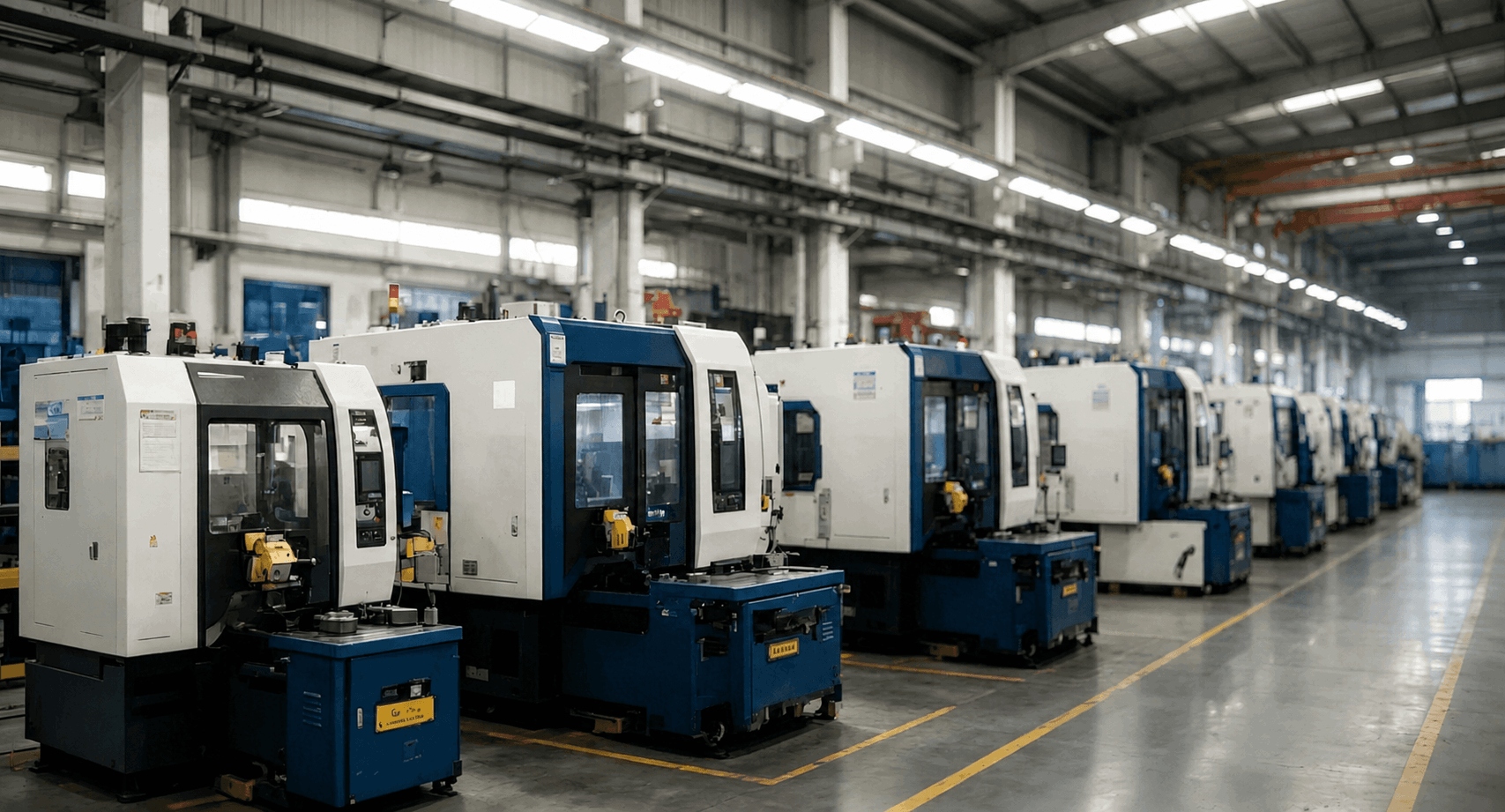
- Process Assurance: Fully automatic CNC grinding machines and ultrasonic cleaning equipment are introduced, with critical dimensional accuracy controlled at the micron level.
- Quality Control: Strictly implementing the ISO/TS 16949 system, with each batch undergoing dynamic balance, sealing, noise, and life tests.
- Customization Capabilities: Supporting OEM specification development, sealing structure optimization, and anti-counterfeit packaging customization to meet compliance requirements in different regional markets.
- Delivery Efficiency: Leveraging Handan's transportation hub advantages, covering OEMs and auto parts market channels in Northern, Eastern, and Southern China.
Selection Recommendations for Procurement Professionals
For automotive aftermarket distributors and repair chain organizations, it is recommended to prioritize focus on hub bearing unit vehicle model coverage, sealing reliability, and anti-counterfeiting measures. The inventory depth and catalog accuracy for legacy vehicle models directly affect repair shops' return/exchange rates and customer satisfaction.
For OEMs and Tier 1 suppliers, emphasis should be placed on evaluating supplier process consistency, platform development experience, and NEV model validation capabilities. Low-friction design, sensor integration interfaces, and electrical insulation performance are gradually becoming core indicators in new-generation vehicle tendering.
Conclusion
The automotive bearing industry is experiencing a critical stage of evolution from standardized products toward intelligent, electrified, and integrated directions. Whether distribution partners deeply involved in the traditional aftermarket or OEMs positioning themselves in the NEV sector, choosing suppliers with R&D capabilities, quality control systems, and flexible delivery capabilities will occupy a favorable position in future market competition.
Automotive Bearing Market Size, Demand, and Growth by 2034 — https://www.theinsightpartners.com/zh-CN/reports/automotive-bearings-market