Tapered Roller Bearings in Truck Drive Axles: Four Failure Modes and Countermeasures
Working root causes backward from failure appearance — a practical reference for warranty handling and repair work
Tapered roller bearings carry the main combined radial and axial loads in truck wheel ends and drive axles. This article maps four typical failure modes — fatigue spalling, abrasive wear, cage fracture and seizure, electric erosion and fretting — with root-cause identification and replacement practice.
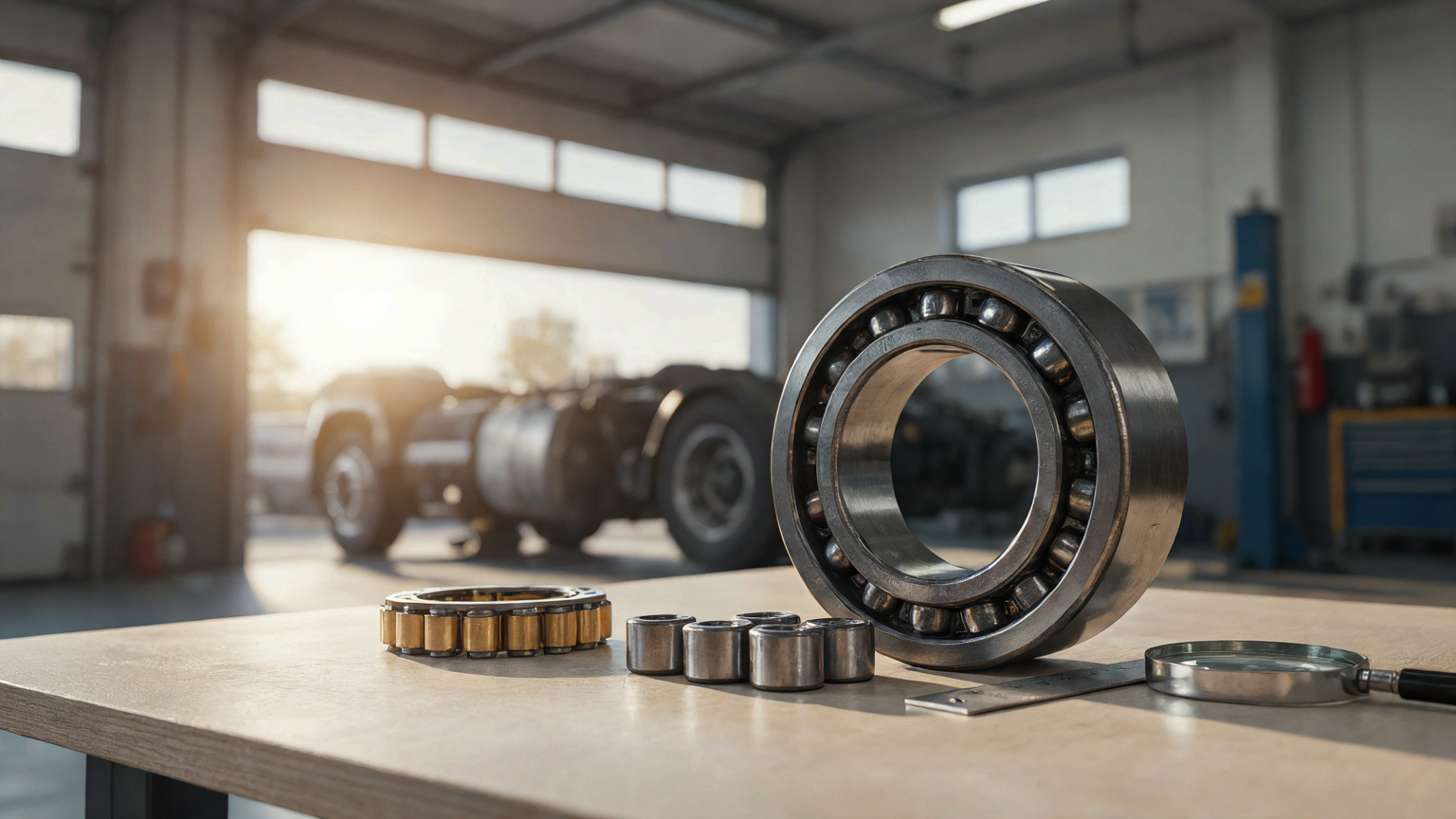
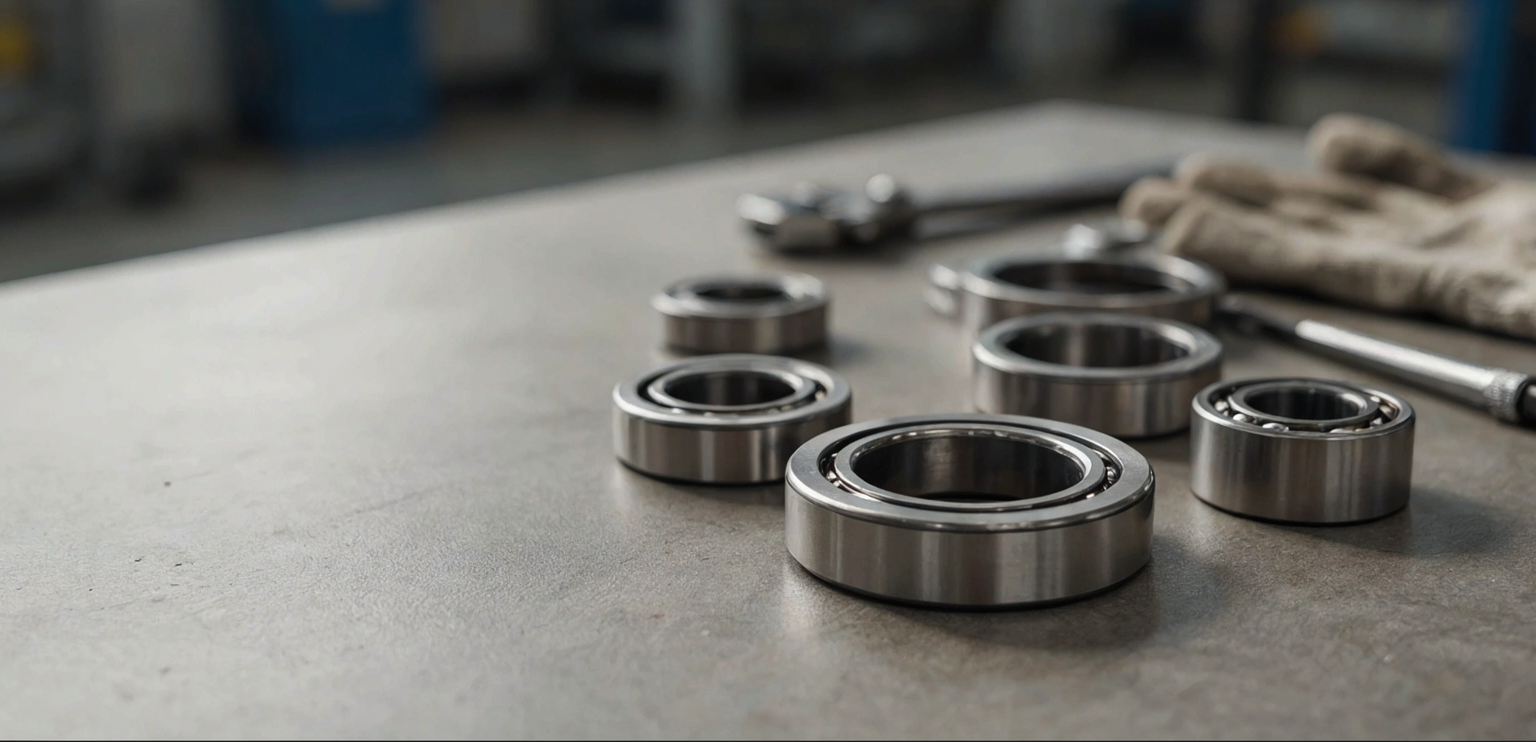
In heavy truck wheel ends and drive axles, tapered roller bearings carry the main combined radial and axial loads. Their failure is rarely down to a single cause — it is the final expression of an overload, preload-misadjustment, lubrication-degradation chain. In the aftermarket, the ability to work root causes backward from failure appearance directly determines how warranty liability is split and whether the repair actually works. The four modes below cover the vast majority of field cases.
Operating context: why drive axle bearings fail early
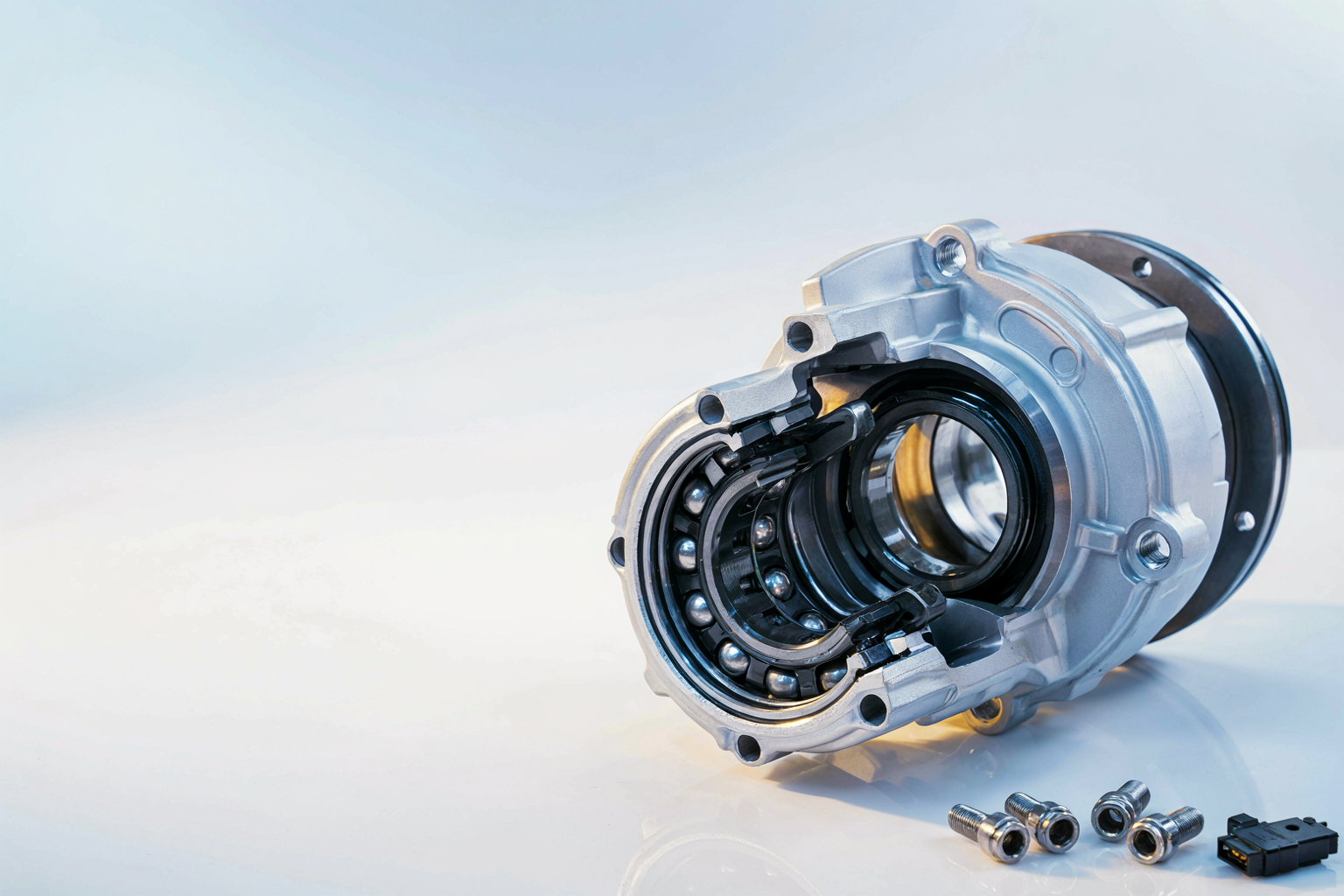
Drive axle tapered bearings rely on splash lubrication from the gear oil, which must serve both gear teeth and bearings; axle housing elastic deformation under heavy load changes bearing seat bore geometry; and loading practices in heavy haulage routinely push actual loads past the design spectrum. Stacked together, these make early failure rates at the drive axle noticeably higher than at the wheel end.
Mode 1: Fatigue spalling
The signature is flaky metal spallation on the raceway with relatively sharp edges, usually originating at the point of maximum subsurface shear stress — visible spalling pits mean the failure is already advanced. The leading root cause is load: overload or incorrect preload adjustment pushing contact stress past design values; next comes insufficient heat-treat hardness or a case depth too shallow. Identification: spalling located symmetrically mid-raceway points to preload and load; localized edge loading points to housing deformation and bore wear.
Mode 2: Abrasive wear
The signature is streaking parallel to the rolling direction on raceways and rollers, a dull sheen, and clearly increased clearance. The debris usually comes from gear-meshing wear circulating with the oil, or mud and water entering past a failed seal. The countermeasures sit outside the bearing: when replacing, clean the axle cavity, change the gear oil and seals, and check the axle breather — a blocked breather pressurizes the axle and is a common driver of seal failure.
Mode 3: Cage fracture and seizure
Broken cage windows, roller jamming and tempering colors on the raceways usually point to two root causes: excessive preload driving temperature up, or momentary oil starvation on long descents. Seized parts have been temper-softened and have no repair value — the assembly must be replaced. Smell the old gear oil when diagnosing: the acrid odor of high-temperature oxidation often signals the problem earlier than visual inspection does.
Mode 4: Electric erosion and fretting corrosion
Regular washboard patterns on the raceways (electric erosion) or red-brown powder on fitted surfaces (fretting corrosion) account for a small but recurring share of drive axle failures: erosion is usually related to poor grounding of chassis electrics, fretting to bearings running with clearance in a worn bore. Both indicate the problem is not the bearing itself — replacing the part does not fix the root cause.
Replacement practice
- Replace all bearings and adjustment shims at a given support position as matched sets — mixing old and new leads to uneven load distribution;
- Set preload with shims or the adjuster nut per the service manual, then measure rotating drag torque at the hub to confirm;
- Use the specified GL-5 gear oil, filled to the housing oil-level plug — not by feel;
- Re-torque and re-check seal condition after 500–1,000 km.
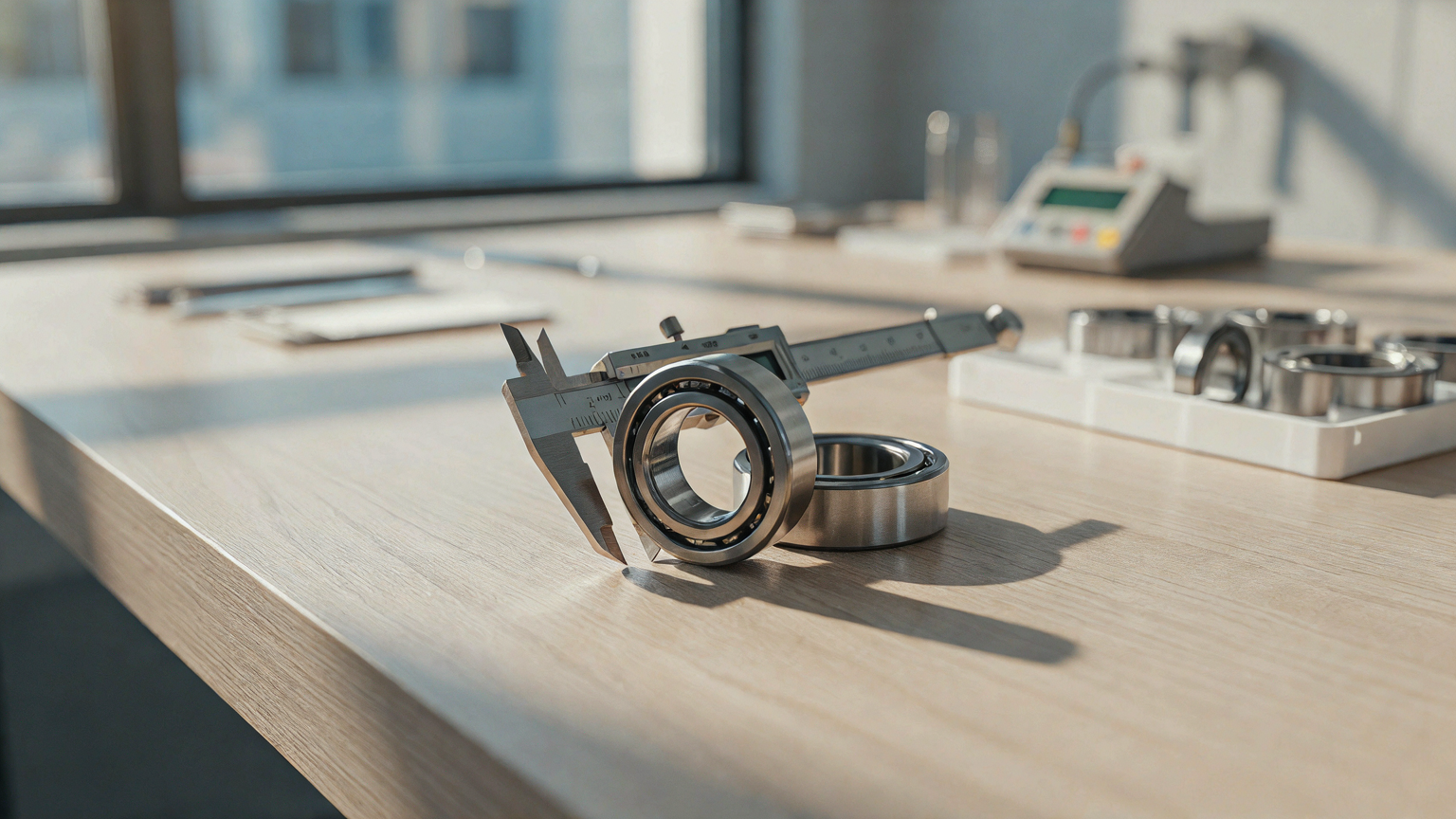
NTK tapered roller bearings are made of vacuum-degassed bearing steel, batch-sampled at the factory for hardness, microstructure and clearance, with failure analysis support available for volume customers.